
Meet the Whistleblowers Behind Health Truths
Meet the Whistleblowers Behind Health Truths in times of crisis, truth becomes both a beacon and a battleground. The COVID-19 pandemic, beyond its health implications, unveiled a complex web of information control, where health information whistleblowers emerged as pivotal figures challenging the status quo.
The Role of Whistleblowers in Healthcare
Health information whistleblowers are individuals who, driven by ethical convictions, expose concealed truths within healthcare systems. Their revelations often pertain to mismanagement, data suppression, or unethical practices that could jeopardize public health.
Notable Cases of Whistleblowing During the Pandemic
- Zhang Yongzhen: A Chinese virologist who first sequenced the COVID-19 genome and shared it publicly, facilitating global research and response efforts. His actions, however, led to professional repercussions in his home country.
- Insight Global Incident: In Pennsylvania, a staffing firm mishandled sensitive health data during contact tracing efforts. A whistleblower’s disclosure led to a $2.7 million settlement, highlighting the importance of data security in public health initiatives.
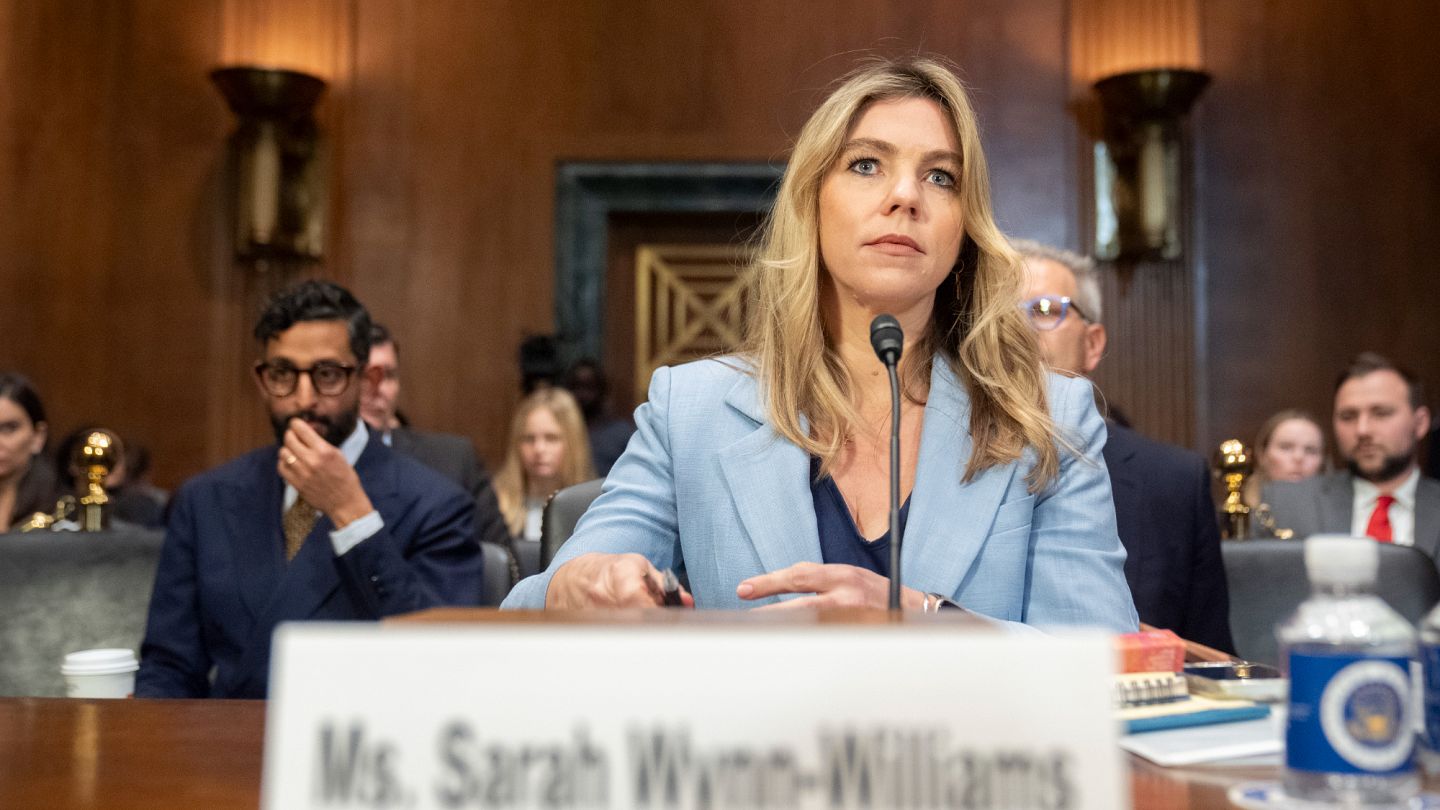
- CIA Analyst Allegations: Testimony from a whistleblower suggested that the CIA offered incentives to analysts to alter their stance on COVID-19’s origins, raising concerns about transparency and integrity in intelligence assessments.
Challenges Faced by Whistleblowers
Despite their crucial role, health information whistleblowers often confront significant obstacles:
- Retaliation: Many face professional backlash, including demotions, terminations, or legal challenges.
- Legal Hurdles: Navigating the intricacies of laws like HIPAA can be daunting, especially when disclosures involve sensitive patient information.
- Psychological Toll: The stress of whistleblowing can lead to mental health challenges, exacerbated by isolation and public scrutiny.
Protections and Support Mechanisms
Recognizing the risks, various protections have been instituted:
- Whistleblower Protection Programs: Agencies like OSHA offer avenues for reporting and protection against retaliation.
- Legal Safeguards: Laws such as the Whistleblower Protection Enhancement Act aim to shield individuals from adverse consequences when exposing wrongdoing.
The Ethical Imperative
The ethical landscape of whistleblowing is complex. While the act can disrupt established systems, it often stems from a commitment to public welfare. During the pandemic, many health information whistleblowers acted out of a sense of duty, prioritizing transparency over personal or professional safety.
The narratives of health information whistleblowers underscore the delicate balance between institutional integrity and individual courage. Their stories serve as a testament to the importance of transparency, especially in sectors as vital as healthcare. As we reflect on the lessons from the pandemic, supporting and protecting these individuals becomes paramount in fostering a more accountable and resilient health system.

